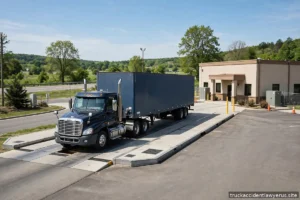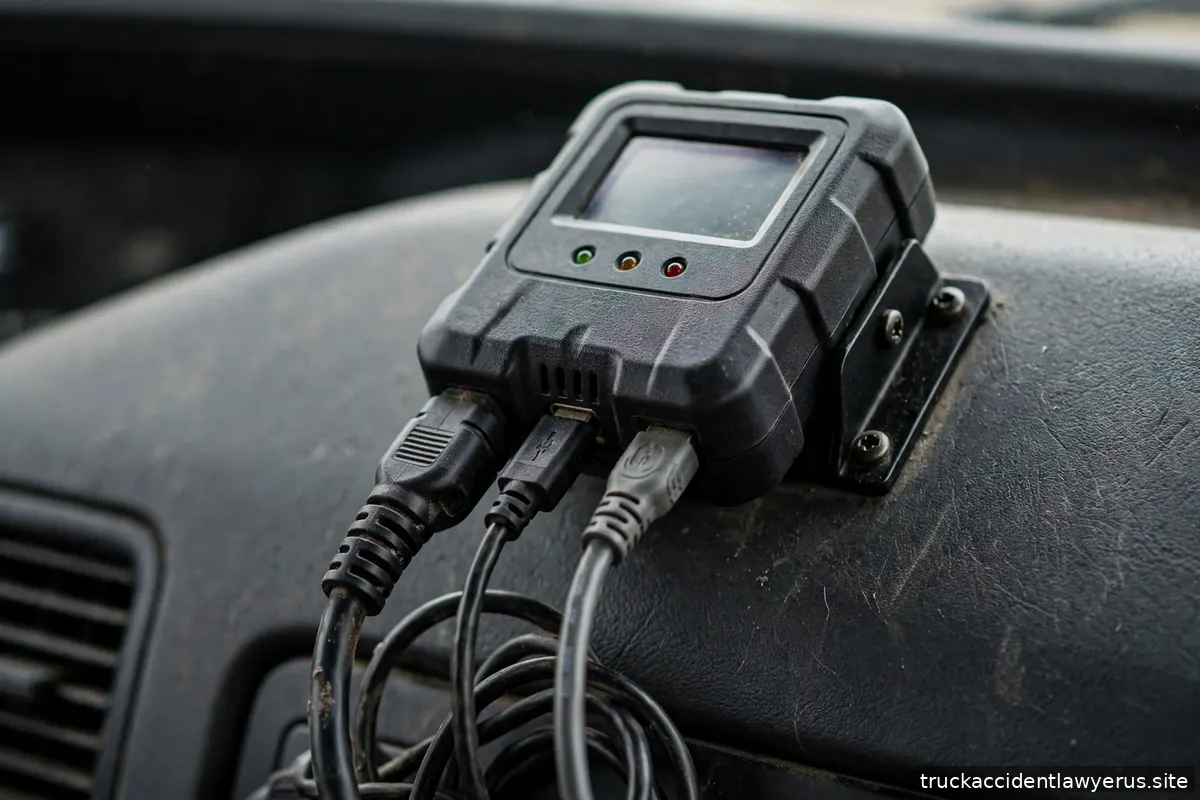
Modern commercial trucks are rolling data centers. Electronic logging devices track every hour of driving, event data recorders capture the seconds before a crash, GPS systems log every mile, and telematics platforms stream engine and safety data to fleet managers in real time. Collectively, this is what people mean by a truck’s “black box” — and in accident claims, it is often the most important evidence that exists.
This guide explains each system in plain English: what it records, how investigators and lawyers use the data, and — critically — why this data disappears fast if nobody acts to preserve it. General information, not legal advice.
First: There Is No Single “Black Box”
Unlike airplanes, trucks do not have one standardized black box. The term is shorthand for several overlapping systems, each recording different things for different purposes. A serious truck investigation pulls data from multiple sources and correlates them into a timeline. Understanding the pieces helps you understand what to ask for — because “preserve the black box data” is less effective than naming the specific systems.
Electronic Logging Devices (ELDs)
ELDs are the system most people have heard of, mandated for most interstate commercial drivers. An ELD connects to the truck’s engine and automatically records driving time — when the wheels are turning, the clock is running, with no manual entry and no fudging. It also records duty status changes (on-duty, off-duty, sleeper berth), location at each change, engine power-ups and shutdowns, and miles driven.
In claims, ELD data answers the fatigue question definitively: how long had the driver been driving? When did they last take genuine rest? Do the logs show a pattern of pushing limits? ELD data is also the backbone for detecting hours-of-service violations, which as our hours-of-service explainer details, can establish negligence powerfully. Carriers must retain ELD records for six months — a clock that starts ticking the day of the crash.

Event Data Recorders (EDRs)
Event data recorders capture a snapshot of vehicle dynamics around a crash event — typically the seconds before and after impact. Depending on the system, an EDR can record vehicle speed, engine RPM, throttle position, brake application (whether and how hard the driver braked), steering input, seatbelt status, and airbag deployment timing. This is the data that answers “was the driver speeding?” and “did they even try to brake?” with numbers instead of opinions.
EDR data is particularly valuable because it is generated automatically by the crash itself — it cannot be edited after the fact the way a logbook entry can. Reconstructionists combine EDR data with physical evidence (skid marks, crush damage) to build a second-by-second account of the crash. The catch: EDR memory is limited and can be overwritten by subsequent driving or diagnostic activity, so the truck needs to be secured and the data downloaded promptly.
Telematics and Fleet Management Systems
Beyond ELDs and EDRs, most modern fleets run telematics platforms that stream continuous data: GPS location and speed over the entire trip, harsh braking and rapid acceleration events, stability-control activations, following-distance warnings from collision-mitigation systems, and engine diagnostics. Fleet managers use this data for operations; investigators use it to reconstruct the driver’s whole day, not just the crash moment.
Telematics can reveal patterns invisible in the crash snapshot: a driver with repeated harsh-braking events all day was likely fatigued or distracted long before the impact. Forward-collision warnings that the driver repeatedly ignored suggest inattention. This broader behavioral picture is increasingly central to truck litigation — as we explore in our 2026 piece on telematics in truck claims, the industry’s data collection keeps expanding what investigators can see.
Dashcams and Engine Control Modules
Two more sources round out the picture. Fleet dashcam systems (forward-facing, and increasingly driver-facing) provide video correlated with the data — you can watch what the numbers describe. The engine control module (ECM) stores operational data including fault codes, speed histories, and sudden-deceleration events; ECM downloads are standard in serious investigations and can corroborate or contradict the driver’s account independently of the ELD.
Qualcomm-style messaging systems (now part of broader telematics platforms) preserve dispatch communications — the texts between driver and dispatcher that reveal schedule pressure, hours complaints, or instructions to keep driving. These messages are often the most human evidence in the file: they show what the company knew and when.
How the Data Gets Used in Claims
Investigators correlate the systems into a unified timeline: ELD shows the driver’s day, telematics shows speed and behavior along the route, the EDR shows the crash seconds, dashcam shows the visual, dispatch messages show the company context. Together they answer the core questions — was the driver fatigued, speeding, distracted, or pressured? — with a convergence of evidence that is difficult to dispute.
Lawyers use this data at every stage: to evaluate whether a case is worth pursuing, to frame settlement demands with specific violations cited, to depose company witnesses with documents they cannot explain away, and at trial to show jurors exactly what happened. A single ELD printout showing 13.5 hours of driving can be more persuasive than an hour of testimony. This evidentiary power is why the data is also the most contested — carriers understand exactly what it shows.
Why the Data Disappears Fast
Every system has a retention limit, and none of them is designed around litigation timelines. EDR data can be overwritten by continued operation of the truck. ELD records must be kept six months — but only six months, and “routine” deletion after that is legal. Telematics platforms have configurable retention, sometimes as short as 30 to 90 days. Dashcam cloud storage rolls over on its own schedule. Dispatch messages get purged under data-retention policies.
Worse, the truck itself may be repaired and returned to service within days, potentially overwriting EDR data in the process. None of this requires bad faith — it is just business as usual colliding with your need for evidence. The legal system recognizes this problem, which is why courts can punish spoliation (destruction of evidence after a duty to preserve arose) with sanctions ranging from adverse inferences to case-ending penalties. But sanctions require proving the duty existed and was breached — far better to create the duty explicitly and early with a written preservation demand.
The Preservation Letter: What to Demand
A proper preservation letter (sometimes called a spoliation letter) is sent to the carrier — and ideally to the broker, shipper, and maintenance provider too — as soon as possible after a serious crash. It should specifically demand preservation of: ELD data and supporting documents for the driver (going back far enough to show patterns, not just the crash day); EDR/ECM downloads from all involved vehicles; dashcam footage (forward and driver-facing); telematics and GPS data for the trip; dispatch communications; driver qualification files; hours-of-service supporting documents (fuel receipts, toll records); maintenance and inspection records; and post-crash drug and alcohol test results.
Specificity matters: a vague “preserve all evidence” letter is weaker than an itemized demand, because it leaves room for the carrier to claim it did not understand what was wanted. Send it in writing, keep proof of delivery, and follow up. If you have a lawyer, this is among the first things they will do — and one of the highest-value early actions in the entire claim. Our guide to what to do after a truck accident puts preservation in the context of the other first-week priorities.
How You Actually Get the Data
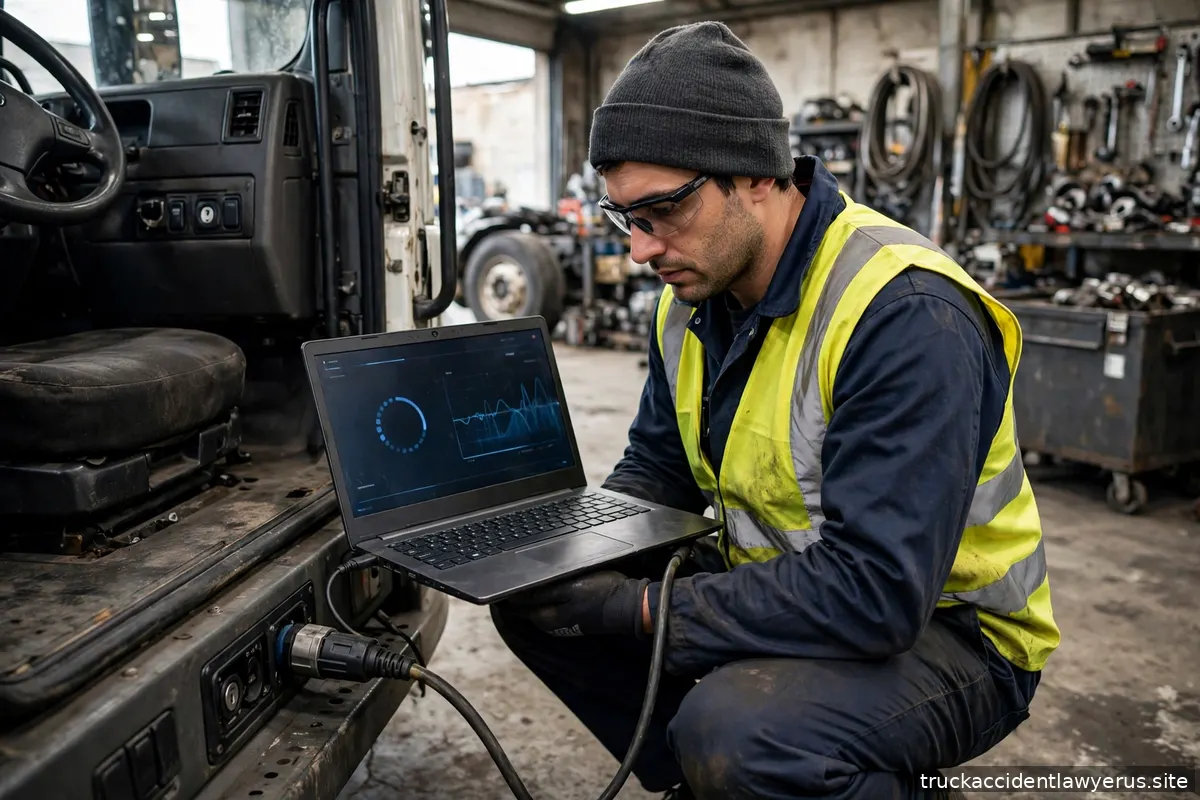
Preservation stops deletion; obtaining the data is a separate step. Before litigation, you generally get data through the carrier’s voluntary cooperation (rare in disputed cases) or through your lawyer’s formal requests. Once a lawsuit is filed, discovery compels production: interrogatories, document requests, and depositions of the carrier’s records custodians. Courts can order forensic downloads of EDRs and ECMs under controlled conditions to ensure authenticity.
Your own data matters too: your dashcam footage, your phone’s location history, and your vehicle’s EDR (passenger cars have them as well) all contribute to the record. Preserve yours with the same care you demand of the other side — courts notice when one party preserves meticulously and the other does not.
Related guides: How Long Does a Truck Accident Settlement Take?, 2026: How Dashcam Footage Is Changing What Happens Right After a Truck Crash, Truck Driver Negligence: Common Causes of Crashes.
Frequently Asked Questions
Can I request the truck’s black box data myself?
You can ask, but carriers rarely hand over electronic data to unrepresented claimants — and informal requests do not create the same legal duty that a lawyer’s preservation letter does. If the claim is serious enough that the data matters, it is serious enough to involve counsel in obtaining it.
What if the carrier says the data was “lost” or overwritten?
Then the circumstances of the loss become evidence themselves. If a preservation duty existed and the carrier failed to preserve, courts can impose sanctions including instructing the jury to assume the lost data would have been unfavorable. Document when you requested preservation — the timeline determines whether the loss was innocent or sanctionable.
Does the truck’s data include private information about me?
The truck’s systems record the truck’s operation, not your personal information. Your own vehicle’s EDR and your phone data are separate — those are yours, and you control whether to share them, subject to discovery rules if litigation begins.
How long must carriers keep ELD records?
Federal rules require six months’ retention of ELD data and supporting documents. Supporting documents (fuel receipts, toll records, dispatch records) have their own retention requirements. Six months sounds generous until you realize how fast serious injury claims develop — send preservation demands in weeks, not months.
This guide is for general information only and is not legal advice. Data-retention rules and discovery procedures vary — consult a licensed attorney about your situation.